Table of contents
Weekly flyers play a pivotal role in shaping consumer shopping habits, often guiding choices and influencing purchasing decisions. These promotional tools provide a wealth of information on discounts, new products, and time-limited offers, making them indispensable for anyone looking to save money or plan a budget-friendly shopping trip. Dive into the following paragraphs to uncover the fundamental ways in which weekly flyers transform the shopping experience, optimize spending, and create lasting consumer trends.
Psychology behind weekly flyers
Weekly flyers are crafted to strategically influence consumer behavior through a mix of persuasive language, captivating visual marketing, and the deliberate use of the scarcity principle. Flyer promotions frequently highlight limited-time offers and exclusive discounts, creating a sense of urgency that triggers impulse buying. This psychological tactic exploits the human tendency to react to perceived shortages, encouraging shoppers to make purchases they may not have initially planned. Vibrant images of products, bold fonts, and attention-grabbing colors are used to direct focus toward high-margin or featured items, subtly guiding shopping habits without overt pressure. Moreover, the repetition of weekly deals fosters a ritualistic approach to shopping, reinforcing brand loyalty as consumers begin to rely on these regular promotions to plan their purchases.
Behavioral marketing experts recognize that weekly flyers go beyond simple advertisement by embedding cues that appeal to routine and emotional triggers. The scarcity principle, coupled with visually stimulating layouts and clear calls to action, effectively transforms passive viewers into active buyers. These elements not only prompt consumers to act quickly but also condition them to anticipate and trust flyer promotions as a regular part of their shopping experience. In this way, weekly flyers become a powerful tool in shaping both conscious and subconscious shopping habits, ensuring that consumers remain engaged and responsive to ongoing retail campaigns.
Boosting store foot traffic
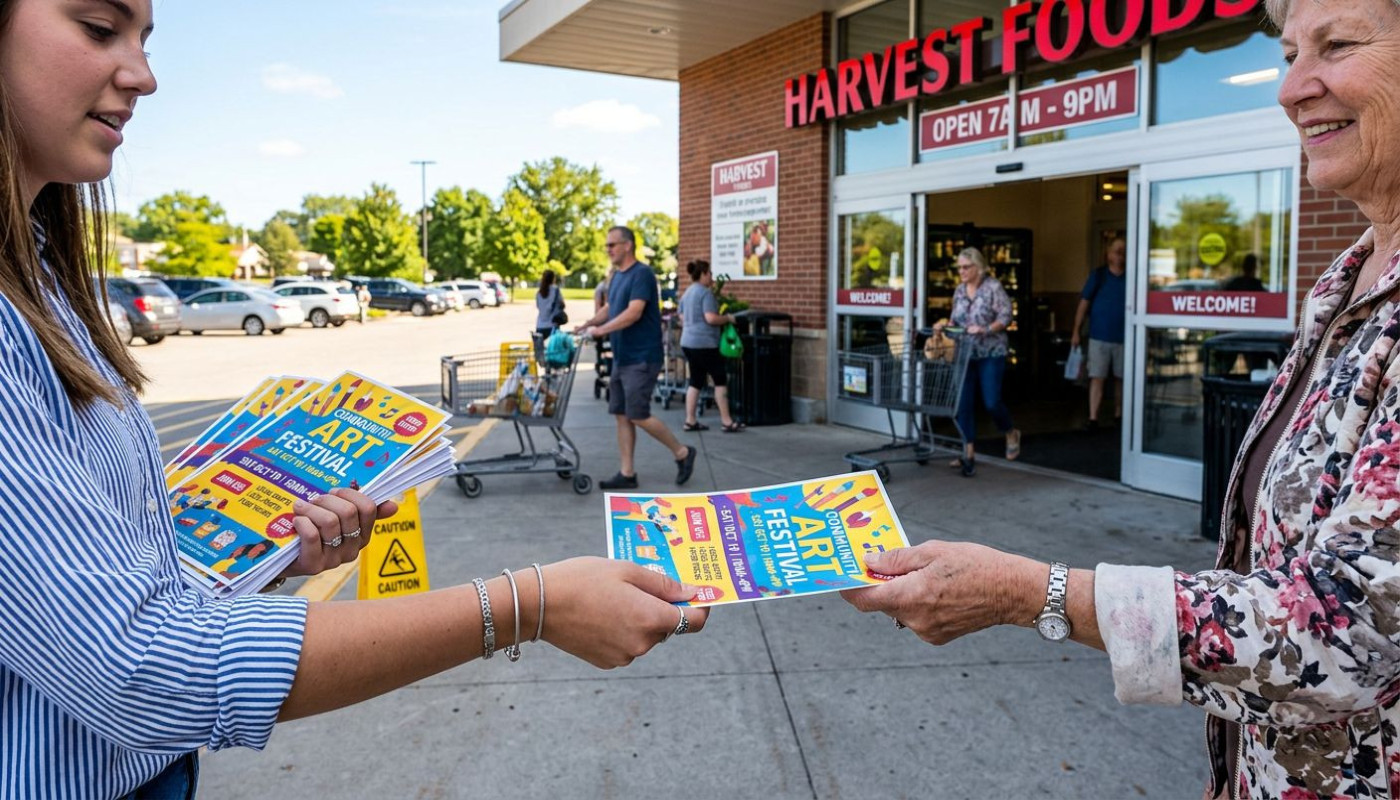
Retailers use weekly flyers as an advanced tool for traffic generation, specifically designed to increase customer traffic and attract fresh visitors to brick-and-mortar locations. By tailoring content to local shoppers and aligning flyer releases with key shopping days, businesses maximize the impact of their weekly deals. In-store promotions featured in these flyers often highlight time-limited or exclusive offers, further motivating consumers to visit physical stores rather than simply browsing online. Retail marketing teams analyze local demographics and consumer behavior, targeting specific neighborhoods or city blocks to ensure that flyer distribution reaches the most responsive audiences. This strategic approach not only boosts sales during peak periods but also builds customer loyalty by consistently communicating value and relevance.
Many successful grocery chains, such as No Frills Flyer, leverage weekly flyers to showcase their latest in-store promotions, capturing the attention of nearby residents and incentivizing them to shop at local branches. By combining targeted outreach with compelling retail marketing content, these flyers remain a foundational method for retail traffic generation in an increasingly digital landscape. For more information on specific weekly deals, see No Frills Flyer.
Enhancing price consciousness
Weekly flyers play a pivotal role in raising consumer price awareness and shaping more deliberate value shopping behaviors. By prominently featuring flyer discounts and dedicated savings sections, these circulars enable shoppers to engage in effective price comparison, making it simpler to identify the best deals across multiple retailers. Price anchoring, a technique where certain products are displayed with their original and discounted prices side by side, further strengthens consumers’ perceptions of savings and reinforces the habit of seeking bargains. This practice not only highlights immediate consumer savings but also encourages individuals to scrutinize the cost and value of their purchases, fostering an overall climate of informed and cost-conscious shopping decisions.
Shaping product preferences
Weekly flyers play a pivotal role in guiding product selection by strategically highlighting certain items and presenting them as appealing choices. Through flyer advertising, retailers showcase new product launches or seasonal promotional products in optimal locations within the flyer, capturing consumer attention and encouraging trial. This technique, known as product placement, ensures that new arrivals or limited-time offers are visually central, increasing the likelihood that shoppers will notice and consider these products. When bundled promotions or limited offers are featured, shoppers are further incentivized to try combinations they might otherwise overlook, influencing both immediate purchasing habits and long-term preferences. Product positioning within the flyer, such as placing high-margin or branded items at the beginning or in larger sections, shapes perceptions of value and desirability. Over time, repeated exposure to brands or specific products through coordinated flyer advertising enhances brand influence, subtly shifting consumer loyalty and driving ongoing engagement with featured goods.
Adapting to digital trends
The transition from printed weekly flyers to digital flyers has significantly reshaped consumer engagement and online shopping habits. Digital flyers allow retailers to leverage omnichannel marketing strategies, connecting with consumers across various platforms and devices. This shift enables more personalized offers through the use of data analytics, tailoring promotions based on browsing history, purchase behavior, and demographic information. Mobile marketing tactics, such as push notifications, ensure that consumers receive timely updates on deals, while interactive content within digital flyers enhances the user experience, encouraging deeper engagement and higher conversion rates.
Digital flyers also address eco-friendly promotions by minimizing paper usage and reducing waste, aligning with growing environmental concerns among shoppers. By adopting digital formats, retailers can update offers in real time, respond to market trends instantly, and measure the impact of campaigns with greater accuracy. The integration of these digital tools into weekly flyer strategies not only improves efficiency but also ensures that brands remain competitive in a rapidly evolving retail landscape, where seamless omnichannel experiences are now expected by tech-savvy consumers.
Similar